Wondering if Sturgis is only exciting for one loud week each year? If you are thinking about moving here, that is a fair question. The good news is that daily life in Sturgis looks much more like a steady Black Hills community than a one-event destination, and this guide will help you see what year-round living really feels like. Let’s dive in.
Sturgis Is a Real Year-Round Community
Sturgis had 7,020 residents in the 2020 Census, with a 2024 population estimate of 7,014. That makes it a small city where day-to-day routines matter just as much as major events.
The city supports year-round services like parks, streets, water, library operations, community center access, and utility billing. Those basics are easy to overlook, but they tell you a lot about what living here is actually like. Sturgis is set up to serve residents every month of the year.
Census data also points to a fairly stable community. There are 3,048 households, and 82.8% of residents were living in the same house one year earlier. At the same time, 92.5% of households have a computer and 89.8% have broadband service, which supports remote work, school needs, and everyday convenience.
Rally Week Is Part of the Story
The Sturgis Motorcycle Rally is the city’s best-known event, and it absolutely shapes part of the local identity. Seasonal events also include the Mustang Rally, Camaro Rally, arts and crafts festivals, Summer Sizzler, Earth Day and Arbor Day activities, fairground events, the half-mile motorcycle race, supermoto races, high school regional rodeo, and Relay for Life.
Still, event season is only one piece of the picture. Even the city’s utility office posting temporary Rally hours shows something practical and important: routines adjust during major events, but normal local life carries on before and after them.
If you are considering a move, it helps to think of Rally week as a seasonal rhythm rather than the full definition of the community. The rest of the year is built around work, school, errands, recreation, and home life.
Outdoor Access Shapes Daily Life
One of the biggest year-round advantages of Sturgis is how easy it is to get outside. The city maintains more than 100 acres of park and recreation property, including city parks, sports complexes, Barry Stadium, and the fairgrounds.
Sturgis also says it partners to offer more than 20 miles of recreational trails in and around the city. Within city limits, there are more than 10 miles of bike paths, with trailheads at Sturgis Municipal Park, Centennial Park, and the fairgrounds.
Those trails connect to the Fort Meade Trail, Bureau of Land Management land, and U.S. Forest Service trails. For many buyers, that means outdoor recreation is not a special occasion activity here. It can be part of your regular week.
Nearby Recreation Adds More Options
Bear Butte State Park is about 6 miles northeast of Sturgis and is open year-round for hiking, fishing, boating, horseback riding, camping, and picnicking. Some water systems and flush toilets may be closed from October 1 through April 30, which is worth knowing if you enjoy cooler-season outings.
Fort Meade Recreation Area near Sturgis covers about 6,700 acres and includes an 11-mile segment of the Centennial Trail. The area is open year-round when weather allows, though there is no winter maintenance. If you enjoy living near trails, open space, and changing seasons, Sturgis offers a lot of access for a city its size.
What Housing Looks Like in Sturgis
If you are home shopping in Sturgis, the housing mix gives useful clues about what you may find. Census QuickFacts show an owner-occupied housing rate of 66.9%, a median owner-occupied home value of $271,200, and a median gross rent of $780.
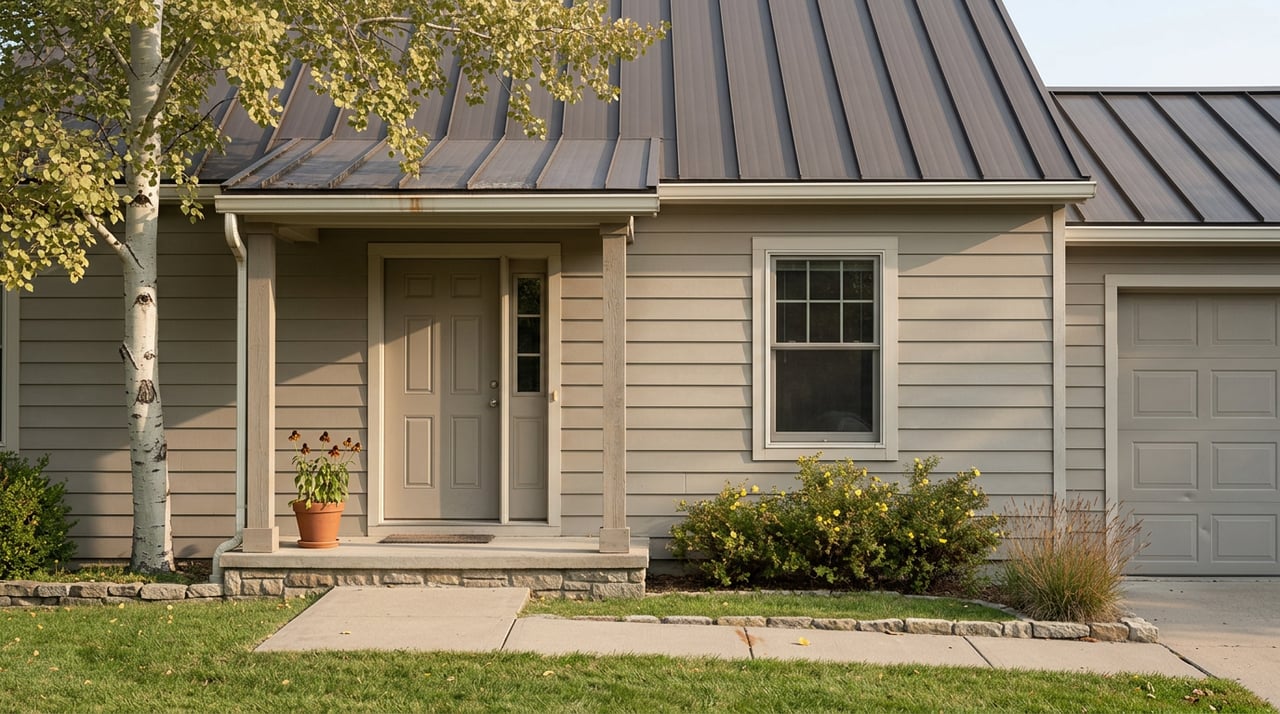
The city’s housing study shows that 80.7% of owner-occupied homes are detached single-family houses. Another 15.5% are mobile homes or other nontraditional structures, while only a small share are attached homes or apartments.
That means many buyers will be looking at detached homes rather than large numbers of condos or newer dense developments. It also helps explain why home searches in Sturgis can feel a little more varied from one property to the next.
Expect a Mix of Older and Newer Homes
According to the housing study, 63.5% of owner-occupied homes were built before 1980. About 27% were built since 2000. That mix can create opportunity, but it can also mean you need to pay attention to condition, updates, layout, and maintenance history.
Older homes may offer established lots, mature neighborhoods, and character. Newer homes may appeal to buyers who want more modern layouts or fewer immediate projects. Neither is automatically better. It depends on your goals, budget, and comfort level with repairs or improvements.
Rental Options Can Be Tight
For renters, 34.7% of units are in buildings with 10 or more apartments. The rest are spread across smaller buildings, detached homes, duplexes, townhomes, and mobile homes.
The same housing study found a rental vacancy rate of just under 1% in early 2024, excluding senior living. In practical terms, that suggests limited rental turnover. If you plan to rent before buying, or if you are comparing renting versus buying, timing and preparation may matter.
Everyday Amenities Support Daily Routine
A town feels livable when the basics are nearby and easy to use. In Sturgis, that includes recreation, library services, schools, healthcare, and city utilities.
The Sturgis Community Center offers full-service hours seven days a week. Members also have 24/7 access to cardio and weight rooms, and the facility includes a pool, lap swimming, a sauna, a hot tub, a 72-foot water slide, and year-round swim lessons.
The Sturgis Public Library has been part of the community since 1922. It serves people who live or work in Sturgis, Meade County, or the Meade 46-1 School District, and it offers public computers, digital resources, interlibrary loan, and programs for children and adults.
Schools and Healthcare Matter Here
Meade School District 46-1 is headquartered in Sturgis and includes Sturgis Brown High School, Sturgis Williams Middle School, and Sturgis Elementary. For many households, having those campuses tied into the community is part of what makes Sturgis feel established and functional year-round.
Healthcare is another major part of daily confidence in a smaller city. Monument Health Sturgis Hospital is a 24-hour critical access hospital with emergency care, inpatient and outpatient care, hospice, and a co-located primary care clinic and care center.
Practical Living in Sturgis
Sometimes the most helpful details are the least glamorous ones. Sturgis handles water, garbage and sanitation, and sewer billing locally. Residents can also use the recycling lot year-round, and the city sets up seasonal Christmas tree collection sites.
If you are moving from out of area, these details matter because they show how local systems are organized. They also give you a better sense of what homeownership looks like once the boxes are unpacked.
Winter Is Part of the Routine
Winter conditions are a real part of life in Sturgis. The city uses snow-route rules when 4 inches or more is forecast, clears streets in priority order, and asks residents to move vehicles off the street so plows can clear curb to curb.
Sturgis says it has 70 miles of streets to clear. The water department also notes that seasonal turn-offs should be winterized. If you are relocating, planning for winter access, vehicle parking, and seasonal home maintenance should be part of your decision-making process.
What Buyers Should Take Away
If you are considering Sturgis, the big takeaway is simple: this is not just a place people visit during Rally season. It is a connected, service-supported community with housing variety, outdoor access, local amenities, and real daily routines.
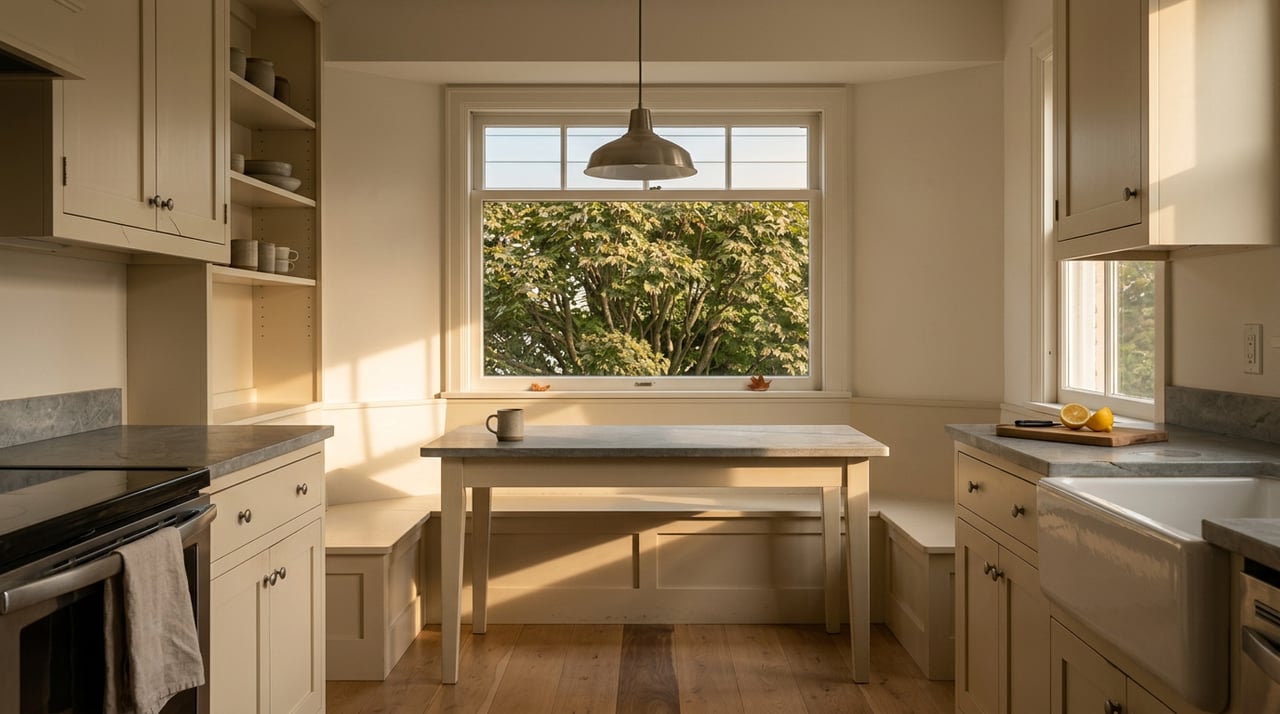
You may find older detached homes, some newer options, and a rental market with limited vacancy. You will also find parks, trails, schools, healthcare, and practical city services that support daily life through every season.
For buyers moving within the Black Hills or relocating from farther away, Sturgis can be a strong fit if you want a smaller city feel with access to recreation and a grounded community rhythm. The key is understanding how the housing stock, seasonal patterns, and local services line up with your goals.
If you want help sorting through homes, land, or lifestyle questions in Sturgis and the northern Black Hills, Sandra Donahue offers calm, local guidance every step of the way.
FAQs
What is year-round life in Sturgis like?
- Year-round life in Sturgis centers on everyday routines like work, school, recreation, healthcare, and city services, with seasonal events adding energy rather than defining the whole community.
What types of homes are common in Sturgis?
- Sturgis has a housing mix led by detached single-family homes, along with some mobile homes or other nontraditional structures, plus a smaller share of attached homes and apartments.
What should buyers know about older homes in Sturgis?
- A large share of owner-occupied homes in Sturgis were built before 1980, so buyers may want to look closely at condition, updates, layout, and long-term maintenance needs.
What is the rental market like in Sturgis?
- The city’s 2024 housing study found a rental vacancy rate of just under 1% excluding senior living, which suggests rental options may be limited at any given time.
What outdoor recreation is available near Sturgis?
- Sturgis offers city parks, bike paths, trail connections, access to Fort Meade Recreation Area, and nearby Bear Butte State Park for activities like hiking, biking, horseback riding, fishing, and picnicking.
What practical services support daily living in Sturgis?
- Daily living in Sturgis is supported by local utility billing, water and sanitation services, year-round recycling access, a public library, a community center, schools, healthcare services, and seasonal snow removal operations.