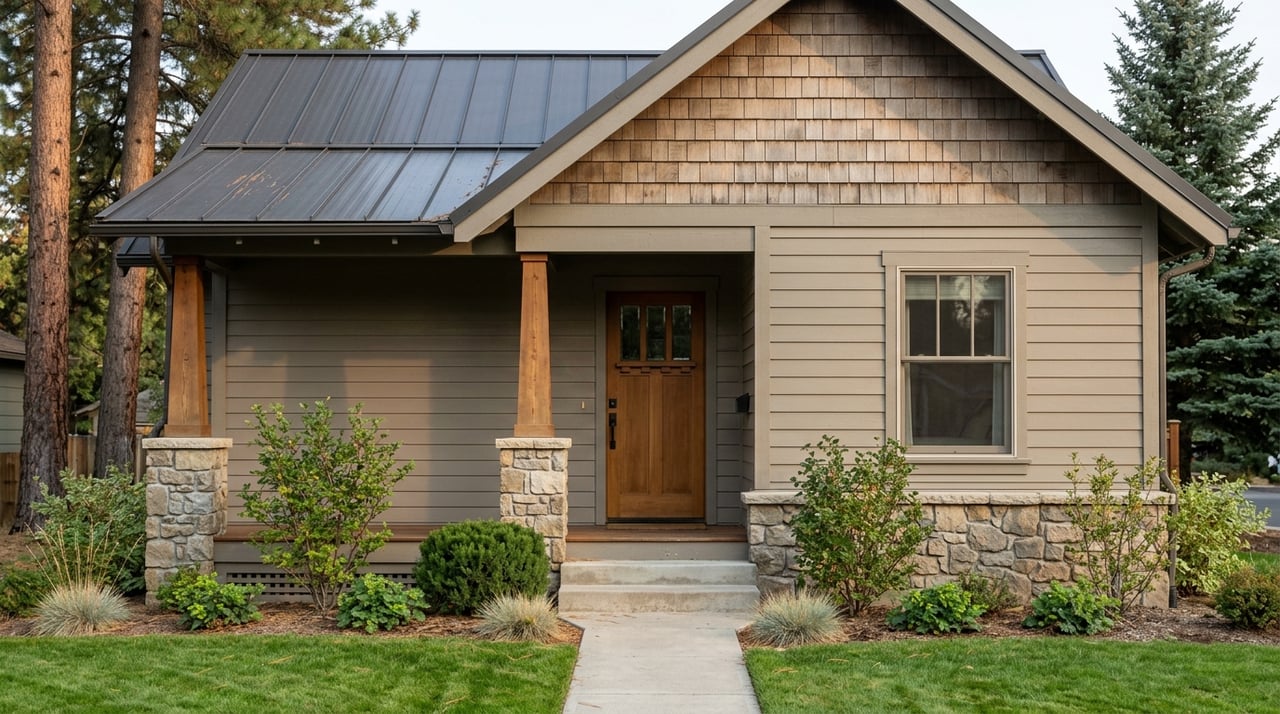
If you are thinking about buying in Lead, you already know this is not a one-size-fits-all market. A historic home near downtown can offer character and a strong sense of place, while a mountain-edge property may offer more privacy and a very different ownership experience. This guide will help you understand what makes Lead unique, what to look for before you buy, and which local questions matter most so you can move forward with confidence. Let’s dive in.
Why Lead feels different
Lead is a small Black Hills community with deep mining roots and a built environment shaped by history, terrain, and redevelopment. The city’s 2025 comprehensive plan describes Lead as a town of roughly 2,982 residents, founded in 1876 and incorporated in 1897, with a long history of ethnic neighborhoods and varied architecture.
That history still affects how you shop for a home today. In many parts of Lead, buyers are not just comparing square footage or lot size. You are also weighing walkability, hillside access, parking, upkeep, and how an older home fits into a compact mountain setting.
Lead’s historic neighborhoods at a glance
Lead’s Historic District was listed in the National Register of Historic Places in 1974. That helps explain why so many homes in town feel distinct from newer subdivision housing you might find elsewhere.
In-town homes often appeal to buyers who value charm, texture, and a sense of connection to the community’s past. At the same time, the city’s planning documents make it clear that preservation, redevelopment, and new development all need to coexist here. That means buying in Lead often involves balancing character with practicality.
What buyers often love
- Original architectural details
- Established neighborhood feel
- Close-in location to town amenities
- Unique homes instead of cookie-cutter layouts
- A strong sense of local history
What buyers need to evaluate carefully
- Limited parking in some areas
- Steeper lots and stair access
- Exterior maintenance needs
- Winter access and snow management
- Repair needs that may be more visible on older homes
Historic homes versus mountain-edge properties
One of the biggest decisions you may face in Lead is whether you want an in-town historic property or something closer to the edge of town. Both can be great options, but they usually serve different priorities.
Historic in-town homes are often chosen for character and convenience, not for oversized lots or easy expansion. The city notes that parking is limited in many areas and that residents have identified sidewalk repairs, stair repairs, cleanup, and home fixes as ongoing needs. That is a strong reminder that day-to-day livability matters just as much as the home itself.
Mountain-edge or out-of-town properties can feel more private and spacious, but they come with their own questions. Lead is bordered by Deadwood, Central City, and large areas managed by the Bureau of Land Management, which limits expansion. The city’s plan suggests inventory can feel tighter here than in Black Hills communities with more room to grow.
A simple way to compare the two
| Property Type | Often Appeals To Buyers Who Want | Common Trade-Offs |
|---|---|---|
| In-town historic home | Character, walkability, neighborhood texture, close-in location | Tighter parking, steeper access, more visible maintenance |
| Mountain-edge property | Privacy, varied parcel types, separation from town center | Access questions, utility readiness, jurisdiction differences |
Pay close attention to condition and climate
Lead’s climate and terrain should shape your home search from the start. The City of Lead Building Department uses design criteria that include a 40 psf ground snow load, a 48-inch frost line, 80 mph wind speed, severe weathering, and a winter design temperature of -15°F.
For you as a buyer, that means the condition of the home is especially important. Roof age and performance matter. Drainage matters. Insulation, freeze-thaw durability, and how the property handles winter weather all deserve close review.
Key condition items to look at
- Roof condition and snow-shedding design
- Gutters, grading, and drainage paths
- Foundation performance in freeze-thaw conditions
- Insulation and heating efficiency
- Windows and exterior sealing
- Driveway slope and winter access
- Exterior paint, siding, and exposed wood condition
Older homes can be wonderful, but they may need more planning. It is wise to think beyond cosmetic updates and ask what systems or structural items may need attention over time.
Understand permits and jurisdiction early
One of the most important questions in Lead is simple: who has jurisdiction over the property? If the home is inside city limits, the City of Lead Building Department handles permits within the city and has adopted the 2021 International Residential, Building, Mechanical, Fire, and Property Maintenance Codes.
If the property is outside city limits, Lawrence County handles building inspections, permits, code enforcement, floodplain administration, occupancy permits, plats, septic systems, zoning compliance, and zoning enforcement. For mountain properties or homes near the edge of town, this difference matters a lot.
Questions to ask before you buy
- Is the property inside Lead city limits?
- If not, is it in unincorporated Lawrence County?
- Which office handles permits for future improvements?
- Who answers septic or floodplain questions for this property?
- Are there zoning or occupancy requirements that affect your plans?
Getting clear answers early can save you time, money, and frustration later.
Historic status does not always mean the same thing
A home being in a historic area can sound straightforward, but the rules are not always automatic. National Register listing by itself does not require a private owner to open the property to the public, restore it, or maintain it in a certain way. It also does not automatically create local historic zoning or landmark rules.
That said, Lead does have an active Historic Preservation Commission focused on protecting and celebrating the city’s built legacy. If you are considering exterior changes, site work, or visible updates, you should verify whether the specific property is subject to local review before making plans.
Smart historic-home questions
- Is this home in or near a locally regulated historic area?
- Will exterior changes require a city permit?
- Is historic-preservation review required for planned updates?
- Are there existing conditions that may affect renovation timing or cost?
Do not overlook lead-based paint rules
If you are buying a home built before 1978, lead-based paint should be part of your due diligence. Federal rules require known lead-based paint information to be disclosed before most sales or leases of pre-1978 housing.
Buyers generally have a 10-day opportunity to conduct a lead inspection or risk assessment unless that opportunity is waived. This matters because renovation work in older homes can create dangerous lead dust if lead-safe practices are not used.
What to confirm on a pre-1978 home
- Whether lead-based paint disclosures were provided
- Whether any known reports or records exist
- Whether you want a lead inspection or risk assessment
- Whether your renovation plans may disturb painted surfaces
This is one of those areas where a little extra care upfront can help you make a more informed decision.
A local incentive may help with updates
If you are buying inside Lead city limits and planning improvements after closing, there is a city tax incentive worth asking about. According to the city, eligible work may qualify when the assessed value of improvements exceeds $5,000 and the work is inside city limits.
Eligible work can include foundations, outside walls, decks, driveways, garages, framing, new walls, remodeling, fixtures, roofs, painting, carpet, and flooring. The eligible work must appear on the building permit, so it is important to understand the process before starting a project.
For buyers looking at older homes that need repairs or updates, this can be an important part of the long-term value conversation.
Budget for ownership, not just closing
In Lead, the smartest buyers usually look beyond the purchase price. A home with historic charm may also come with roof work, drainage improvements, paint, structural updates, or snow-related maintenance.
That does not mean you should avoid older or hillside properties. It simply means your budget should reflect the reality of owning in a mountain town where weather, age, and access all matter. A practical reserve for repairs and improvements can make the experience much smoother.
Build your budget with these categories
- Immediate repairs after closing
- Seasonal maintenance and snow management
- Exterior preservation and paint
- Drainage and water-control improvements
- Future updates tied to permits or code requirements
How to shop with confidence in Lead
Lead can be a wonderful place to buy if you understand the trade-offs. Historic homes offer personality and a close-in lifestyle. Mountain-edge properties may offer privacy and a different pace. The right choice depends on how you want to live, what upkeep you are comfortable with, and how much complexity you want in the property itself.
Working step by step is the best approach. Confirm the property’s jurisdiction, review condition carefully, ask about historic review if needed, and make sure your budget leaves room for the realities of climate and maintenance. In a market as unique as Lead, local context makes a real difference.
If you want a calm, informed approach to buying in Lead or anywhere in the northern Black Hills, Sandra Donahue can help you evaluate the details, understand your options, and move forward with confidence.
FAQs
What makes buying a home in Lead different from buying in a typical subdivision?
- Lead is a compact historic mountain town where buyers often weigh character, walkability, parking, hillside access, and maintenance needs alongside price and layout.
What should buyers in Lead ask about permits and property jurisdiction?
- You should confirm whether the property is inside Lead city limits or in unincorporated Lawrence County, because permits, septic, floodplain, and zoning questions may be handled by different offices.
What should buyers in Lead look for when evaluating an older home?
- You should pay close attention to roof condition, drainage, insulation, freeze-thaw durability, winter access, exterior upkeep, and any structural or system updates that may be needed.
What should buyers know about historic status for homes in Lead?
- A National Register listing alone does not automatically create local restrictions, but you should still verify whether a specific property is subject to local review before making exterior or site changes.
What should buyers know about lead-based paint in older Lead homes?
- If a home was built before 1978, sellers generally must provide known lead-based paint disclosures, and buyers usually have a 10-day opportunity to conduct a lead inspection or risk assessment unless they waive it.
What renovation incentive may apply to homes inside Lead city limits?
- Lead has a city tax incentive for certain improvements inside city limits when the assessed value of eligible work exceeds $5,000 and the work is included on the building permit.