"This is actually a major expansion of property rights for Sturgis residents," Mayor Kevin Forrester said in February, when the city first introduced its rewrite of the residential camping rules. The same city announcement carried a worry from the committee that drafted it. Members were concerned that allowing camping on vacant lots or investor-owned properties "could lead people to buy property just for Rally camping."
Both ideas made it into Ordinance 2026-03, which the Sturgis Common Council adopted on May 4, 2026. Most residents who host campers gained clear, legal footing. Rally camping on stand-alone land now has an end date. If you're comparing Sturgis with other Black Hills towns and someone has told you a property here "pays for itself in August," the answer now depends on what kind of property it is and whether its owner lives there.
What Each Type of Property Can Do During the Rally
The ordinance defines a Rally Window: the official Rally dates as set by the council, plus the seven calendar days before them and the three days after. Within that window, the rules split by property type.
| Property type | Rally camping under Ordinance 2026-03 |
|---|---|
| Lot with a single-family home | By right, up to 3 camping units and 10 campers at a time. A free permit covers anything more. |
| Duplex, triplex or four-plex | Permit only, and only if a Sturgis resident owns it |
| Vacant lot adjoining or near the owner's own owner-occupied home | Allowed under the vacant-lot section |
| Any other vacant lot | Only if camping can be shown to have happened there in 2025. Ends after the 2028 Rally for non-resident owners and after the 2030 Rally for Sturgis residents. |
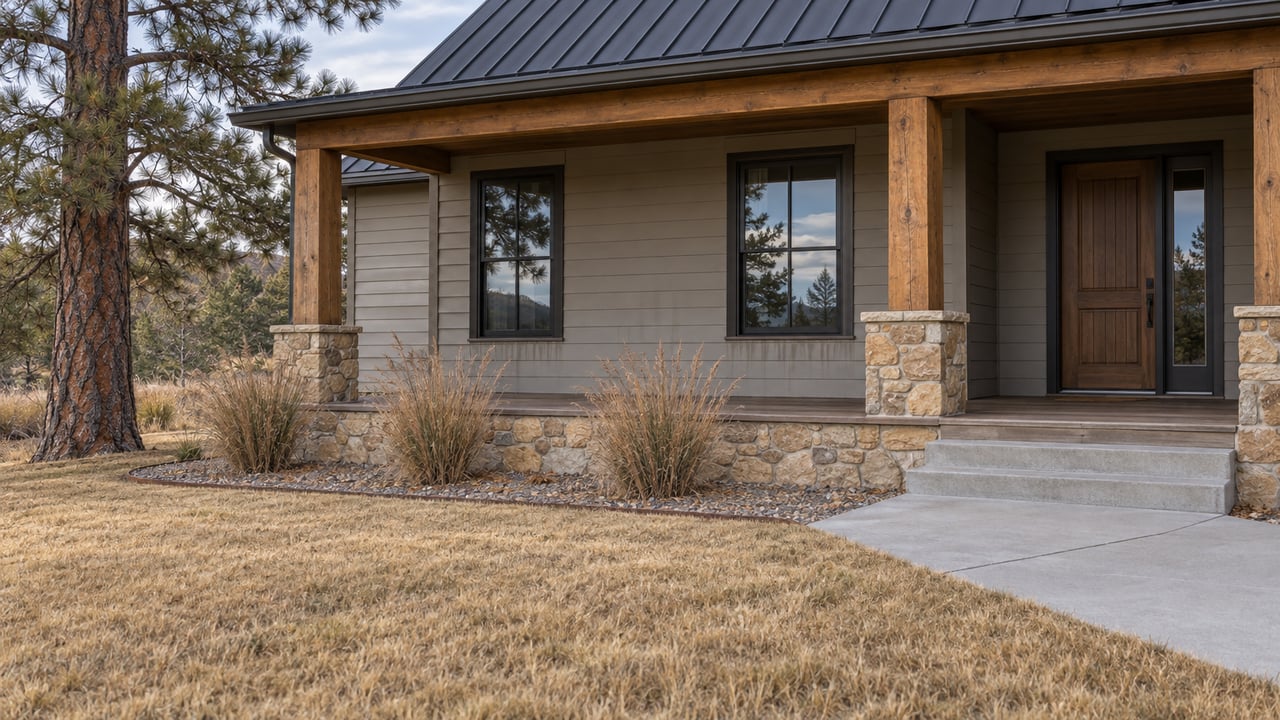
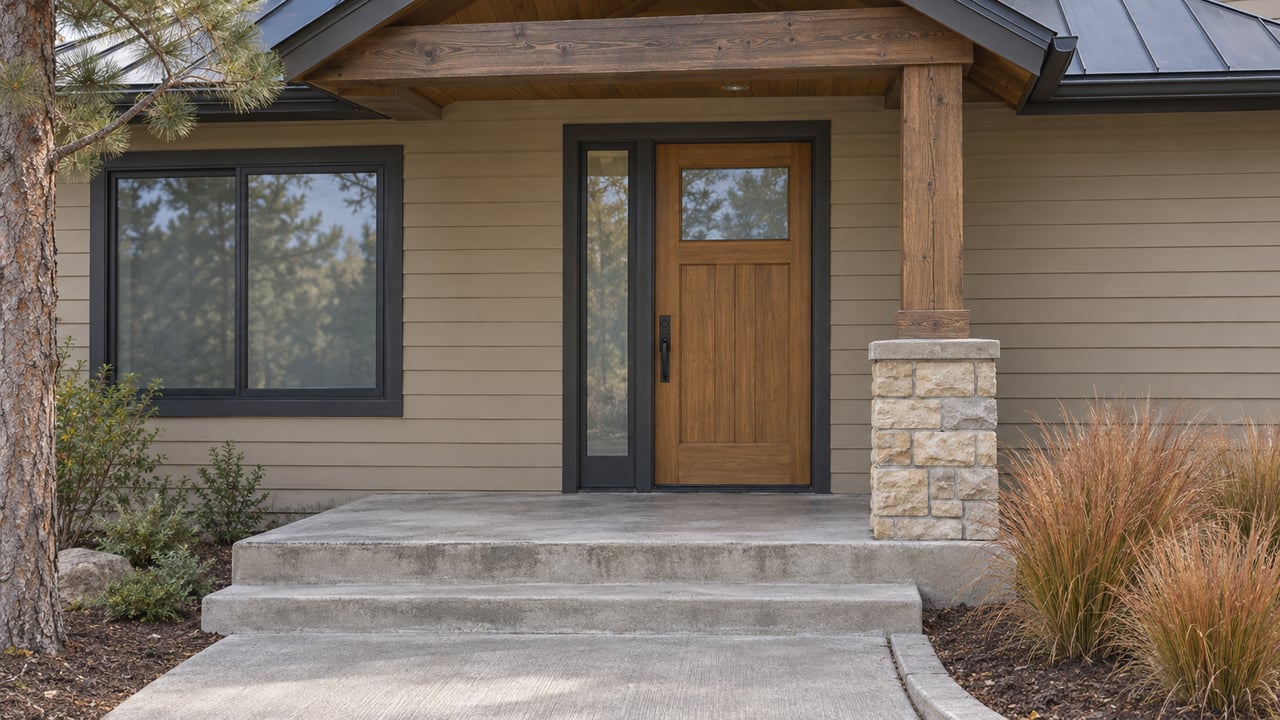
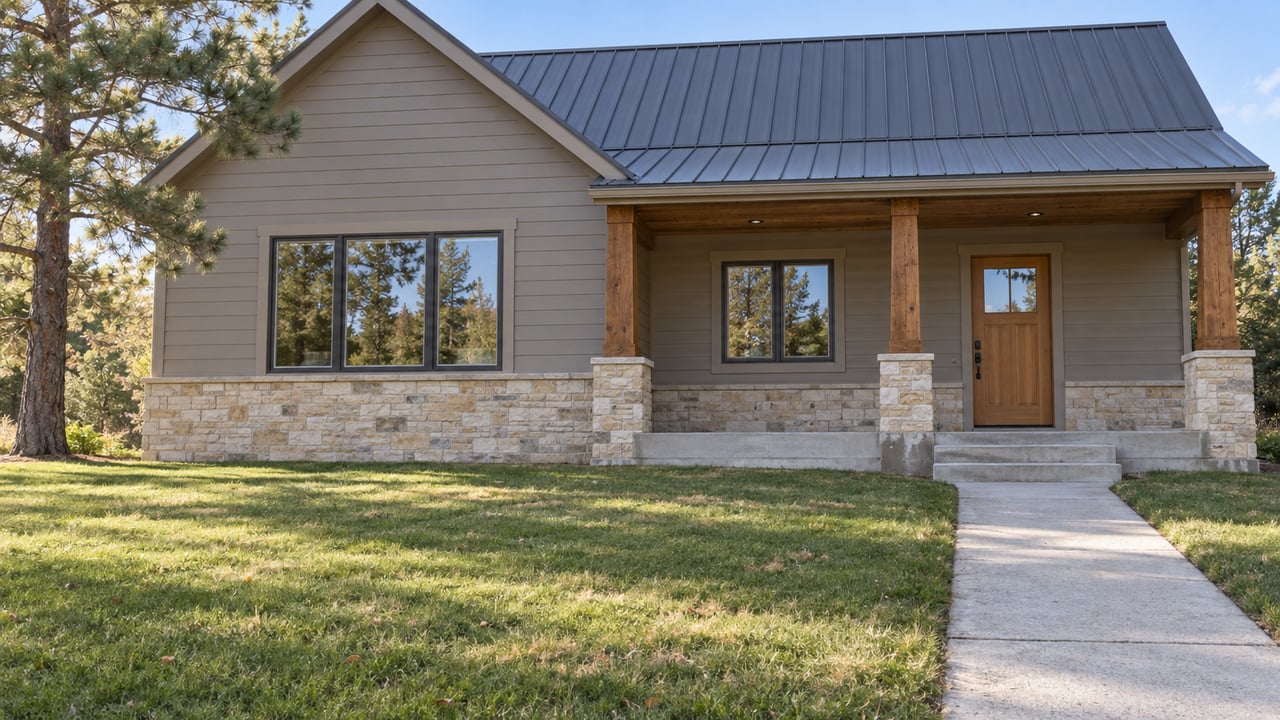
An ordinary single-family house anywhere in city limits comes with the most flexible Rally use. The by-right allowance is tied to the dwelling, and the adopted text puts no owner-residency condition on single-family lots. The Black Hills Pioneer reported that a revised draft opened by-right camping on single-family lots to non-resident owners during the spring debate. The more restricted categories are the ones that used to look like the obvious Rally plays: small multifamily buildings and empty lots.
The Clock on Vacant Lots
The vacant-lot section matters most for anyone shopping land in town. An existing vacant lot can keep hosting campers only if the owner can show camping took place there in 2025. Acceptable proof includes dated photographs, booking records, affidavits or earlier permit records. Even with that proof, a lot that isn't adjoining or near an owner-occupied home under the same ownership loses camping after the 2028 Rally if the owner lives outside Sturgis. A Sturgis resident gets until after the 2030 Rally. From then on, a vacant lot can host campers only when it serves the owner's occupied home.
"Owner-occupied" has a specific meaning here. The dwelling must be the primary residence of at least one record owner and must carry Meade County's owner-occupied tax designation. "Nearby" is decided by the City Administrator, who may weigh whether the lot sits on the same block, within easy walking distance, and actually serves the home instead of being a separate vacant lot elsewhere in town.
For a buyer, that means a lot marketed on its Rally history comes with a few questions:
- Can the seller document camping on the lot in 2025?
- Will you be a Sturgis resident, which moves the sunset from 2028 to 2030?
- Will the lot adjoin or sit near a home you live in and that carries the county's owner-occupied designation?
If the answer to the third question is no, the lot's Rally use has a few seasons left at most. Its long-term value then comes from whatever else you can do with it.
Why the City Tied Rally Income to Living Here
The rewrite started with a dispute over one campsite. In 2025, a complaint was filed against the operators of a local campsite. Code enforcement had first told the operators the site was permitted, then said after the Rally that it wasn't, and City Administrator Aaron Jordan agreed the code was confusing. The old rules allowed only one paid campsite and barred vacant lots, and City Attorney Eric Davis said most of the camping happening across town wasn't authorized.
The first 2026 draft was much tighter than the final law. It allowed two units, 10 campers and 10 days by right. Permits would have capped paid sites at 10 units and 25 guests, and vacant, non-owner-occupied and multifamily properties were left out. Residents objected to lost Rally income, reservations already on the books, and fixed caps that ignored lot size. One resident called the numbers "the worst idea," and another resident said officials did not know what hosts experienced.
The council listened on the caps and held firm on occupancy. The adopted text has no city-wide maximum for permitted camping. Each permit's limit depends on lot size, layout, neighboring property and an owner-designed camping plan. The ordinance's recitals explain the occupancy line directly: owner-occupied properties are "generally better situated to internalize and manage the impacts" of Rally camping, and the council chose to align incentives in their favor. The final vote was 6-1. Councilman Mark Chaplin voted no over the seven-day pre-Rally window.
What a Permit Asks of a Host
A free permit is simple to get but still takes some work. Rally permit applications are due by June 15. They need a site sketch showing property lines, camping areas, restrooms, parking and emergency access, plus a named on-site contact during the Rally Window. Every residential camping setup, permitted or by right, must keep a five-foot setback from property lines, provide adequate restrooms and drinking water, and keep fire extinguishers sized to the operation. Trailers and RVs have to park on the property or at another lawful off-street spot named in the plan. Motorcycles and passenger cars may park on the street where it's otherwise legal.
Hosts also keep a guest record with names, addresses and phone numbers until one month after the Rally Window closes. Permits are tied to the parcel and can't be transferred. When you buy a house that hosted permitted campers last August, the permit doesn't come with it. You file your own.
What the First Rally Under the New Rules Showed
Before the August 2026 Rally, the city issued 41 residential camping permits. Planning Director Casey Baldwin said they represented 860 campers. Public Works Director Rick Bush said that from what he had seen in past years, those permits didn't cover every property that would host campers. He added that full compliance was never the goal. The aim was an enforcement tool for neighbor complaints, and the ordinance also gives permitted hosts something to point to when a complaint comes in.
Baldwin said people who stopped by the office were "amazed at how easy it was" once staff walked them through it. For the next cycle, Bush said the city will start issuing permits after January 1, with an approval deadline before the Rally. As of early October 2026, the local reporting we found includes no post-Rally amendments.
Crowd size matters for anyone counting on August income. The South Dakota Department of Transportation counted 448,166 vehicles entering Sturgis over the 10 days of the 2026 Rally, August 7 through 16. That's 10.0% below the 2021–2025 average of 498,042. Demand for campsites rises and falls with the Rally itself, so a buyer is better off treating hosting as possible extra income than as a fixed part of the budget.
The Calendar Questions to Take to a Tax Professional
Assuming a 10-day Rally like 2026's, the ordinance's Rally Window adds seven days before and three after, for 20 days in all. South Dakota's Department of Revenue treats renting a sleeping accommodation or campsite for 10 or fewer days in a calendar year as "casual or occasional," which is not subject to sales tax. It also says any establishment holding a sales tax license is not renting on a casual basis. A host who books campers across the whole city window may fall outside that 10-day line. For lodging that is taxable inside Sturgis, the Department of Revenue's July 2026 guide lists a combined 8.7% rate. Starting January 1, 2027, Meade County Ordinance 60 adds a 0.5% county gross receipts tax.
None of that is tax advice. It's a set of dates and thresholds worth bringing to an accountant before you count Rally income in your plans.
Outside city limits, a separate rulebook can apply. Meade County Ordinance 21 covers temporary campgrounds of 10 or more sites outside incorporated towns, with applications due 90 days before operation. The Meade County fee schedule lists fees starting at $550 for 10 to 50 sites. The city's FAQ notes that its reach extends three miles beyond city limits, so check which jurisdiction covers a specific parcel.
Frequently Asked Questions
Can I charge friends to camp in my yard outside the Rally? No. By-right camping outside the Rally Window must be non-commercial, with no fee or donation. It's limited to invited guests, 3 units, 10 campers and seven days a year.
What happens if a host ignores the rules? A violation is a Class 2 misdemeanor. Fines run $100 for the first violation, $250 for the second and $500 for each one after that, per parcel per calendar year.
Do new subdivisions fall under the same rules? Any single-family home inside city limits does. The Sturgis Planning Commission approved final plats for Harvest Meadows and Valley View on July 21, 2026. A 2024 plan for that area called for at least 62 single-family homes, 16 townhomes and 100 multifamily units. Those are planned figures, not homes already built.
If you're looking at a Sturgis property partly because of the Rally, Sandra Donahue can help you check what that home or lot can host under Ordinance 2026-03 before you make an offer. That includes whether it qualifies by right, whether a seller has 2025 camping records, and which sunset date would apply to you. Let's Connect.